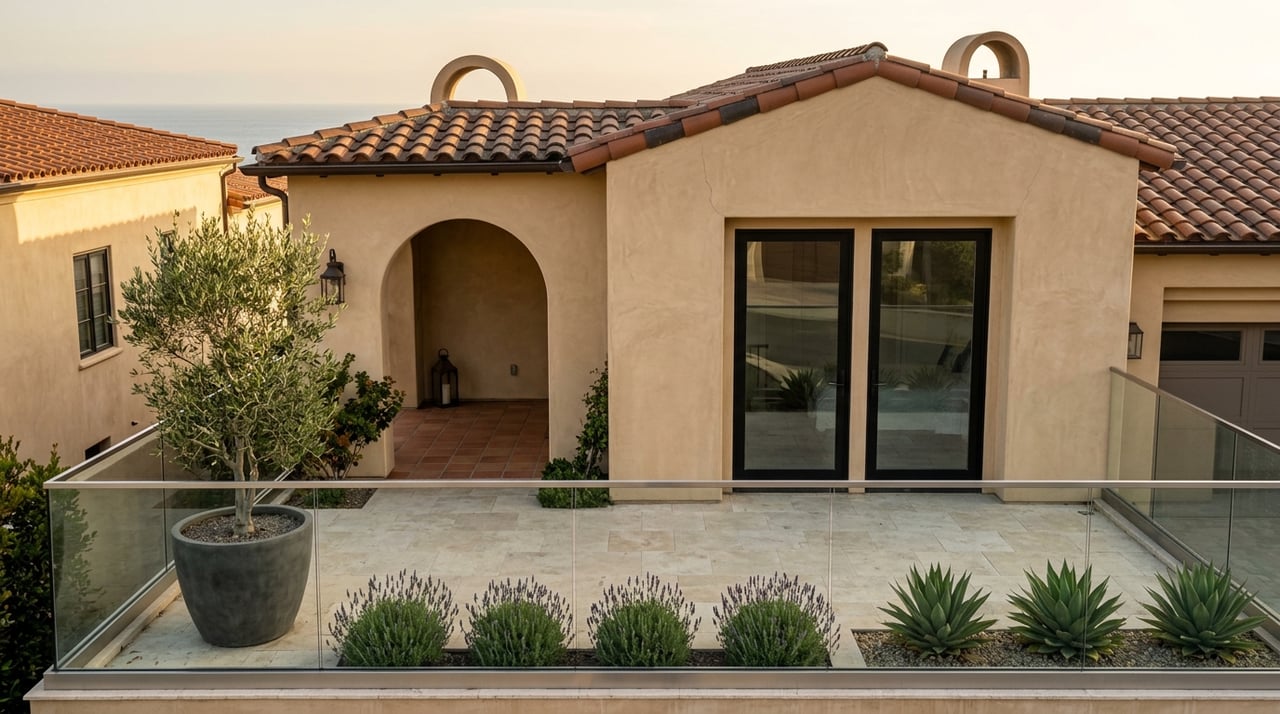
If you are trying to choose between an oceanfront home and a hillside home in Pismo Beach, you are really choosing between two different ways to live the coast. One puts you close to the sand, the pier, and the daily energy of the shoreline. The other gives you elevation, privacy, and a little more separation from the busiest beach areas. This guide will help you compare both options so you can decide which setting fits your lifestyle, priorities, and long-term plans. Let’s dive in.
Oceanfront vs Hillside in Pismo Beach
Pismo Beach sits on a narrow marine terrace between the Pacific Ocean and the coastal hills. Because of that geography, the difference between oceanfront and hillside living is especially noticeable here.
In simple terms, oceanfront and bluff-top homes tend to offer stronger beach access, walkability, and a classic coastal setting. Hillside and foothill homes usually offer more privacy, more open-space adjacency, and more distance from the busiest visitor corridors.
Where oceanfront homes are found
Pismo Beach’s ocean-oriented areas include Sunset Palisades and The Bluffs, South Palisades, Shell Beach, North Spyglass, the Motel District, and the Downtown Core. These areas are closest to the shoreline and are tied most directly to the city’s beach, bluff, and waterfront experience.
Shell Beach has a particularly distinct coastal pattern. In its village area, the city describes the housing as predominantly medium-density residential, with many single-story homes built between the 1920s and 1950s. That older housing stock helps create the compact beach-town feel many buyers picture when they think about coastal Pismo Beach.
Where hillside homes are found
Pismo Beach’s hillside and foothill settings include Pismo Heights, Oak Park Heights, and the Freeway Foothills and Mattie Road area. These neighborhoods sit farther inland or above the shoreline, often with stronger separation from the public beach corridor.
Pismo Heights is mostly low-density residential, with some medium-density and higher-density uses along Highway 101. The Freeway Foothills include low- and medium-density neighborhoods as well as planned residential areas like Baycliff and Spyglass Ridge.
Lifestyle differences buyers notice first
Beach access and walkability
If you want to be close to the beach as part of everyday life, oceanfront and bluff-top homes usually have the edge. Pismo Beach has a continuous oceanfront boardwalk along the waterfront to Pismo Creek, plus beach stairs, bluff-top walkways, coastal viewpoints, downtown shops, restaurants, cafes, art studios, and the pier.
That means your day-to-day routine can feel very different in a coastal neighborhood. You may be able to walk to shoreline paths, enjoy nearby dining, and spend less time getting to the water.
Hillside homes can still offer impressive ocean views, but access often works differently. The Freeway Foothills are separated from other parts of the city by Highway 101, with only a few cross-highway connections, so beach trips are usually more car-dependent.
Privacy and day-to-day activity
Oceanfront living often comes with more public activity nearby. The city preserves beach access, bluff-top access, and visitor-serving uses in several coastal planning areas, so foot traffic and visibility tend to be higher in shoreline settings.
For some buyers, that energy is part of the appeal. For others, it can feel a little busier than they want for full-time living or quiet weekends.
Hillside and foothill neighborhoods usually feel quieter and more private. They are generally lower-density, more topographically separated, and often bordered by open space instead of public shoreline corridors.
Outdoor comfort and exposure
Pismo Beach has average highs of about 68 to 78 degrees, annual rainfall of 15.8 inches, and prevailing northwest winds that can reach 25 to 35 knots on the beach. Those local conditions matter when you compare home settings.
Oceanfront homes are more exposed to wind, salt air, and surf conditions. Hillside homes are often somewhat more sheltered because of elevation and topography, which can change how patios, decks, windows, and outdoor living spaces feel from day to day.
Home styles and lot patterns
What oceanfront homes often feel like
Coastal neighborhoods in Pismo Beach tend to have a layered mix of residential and visitor-serving uses. In places like Shell Beach and the bluff-top areas, homes may sit in a more compact pattern and reflect the long history of the community.
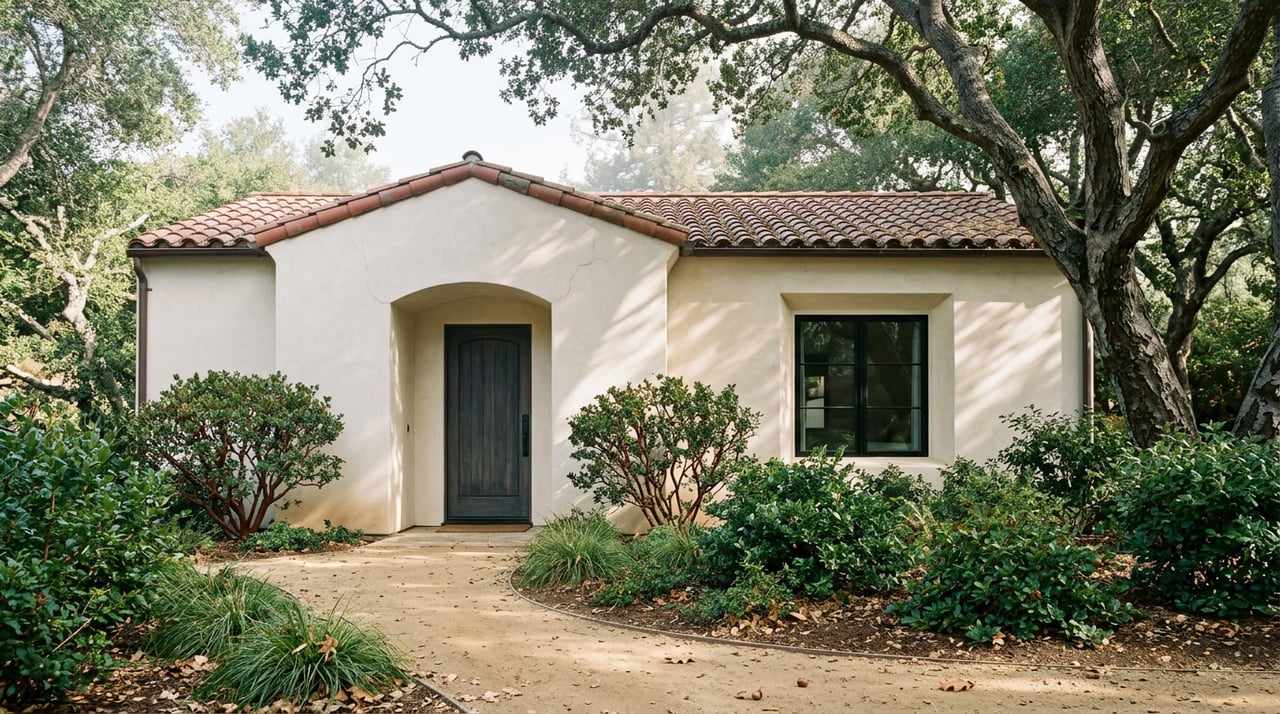
You may see older single-story homes, low-profile residential design, and streetscapes that feel distinctly coastal. In some ocean-oriented neighborhoods, the setting itself is the main draw, with the shoreline, views, and walkable coastal features shaping the value of the location.
What hillside homes often feel like
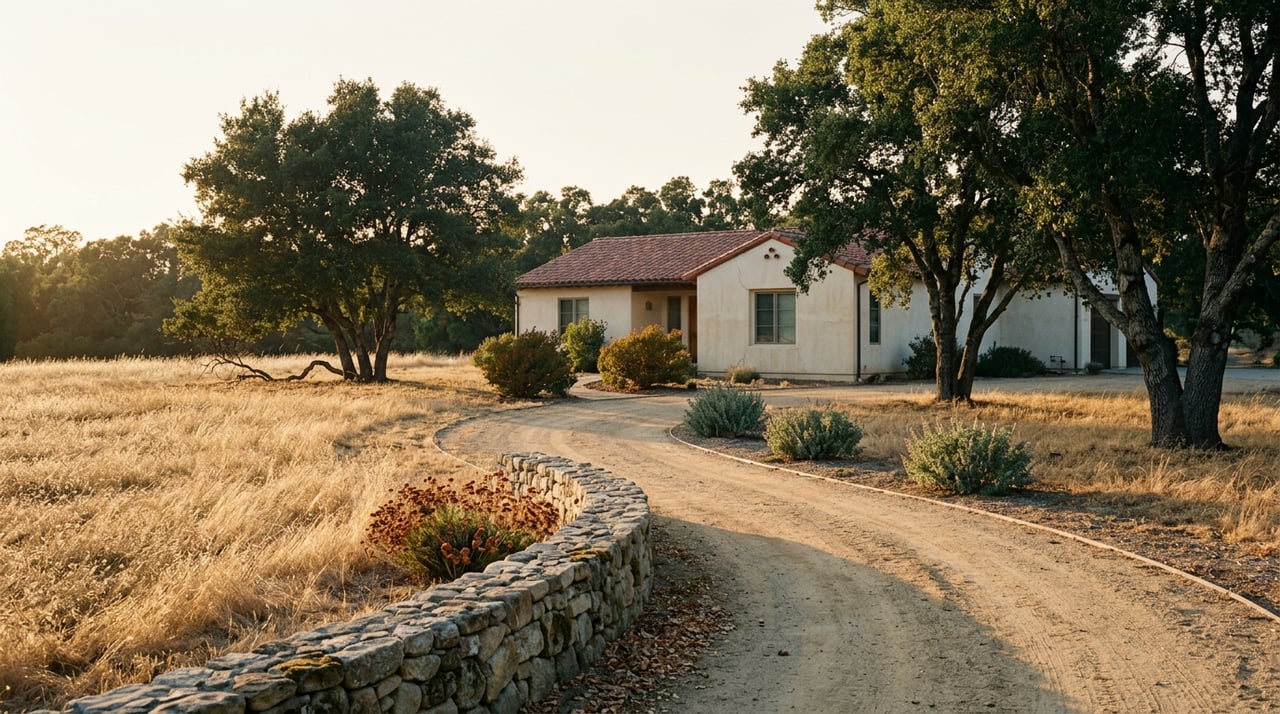
Hillside areas are more often defined by low- and medium-density residential patterns, planned tracts, and adjacency to open space. That can create a more tucked-away feeling, especially in neighborhoods where topography shapes the street layout and home placement.
These lots are also more likely to be influenced by slope, grading, and view-preservation rules. In the foothills, the city requires development to work with existing grades, discourages large-scale terracing, and preserves substantial open space.
Inventory and choice
Oceanfront property in Pismo Beach is more supply-constrained. For example, the city describes Sunset Palisades and The Bluffs as almost totally developed, with only a few scattered vacant residential lots.
That limited supply can make oceanfront options feel especially competitive and highly location-driven. Buyers are often choosing among a smaller number of homes in a very narrow band of coastline.
Hillside areas usually offer a broader mix of parcel types and neighborhood settings. Even when view quality is strong, the housing choices can vary more because these areas include low-density neighborhoods, planned residential development, and open-space-adjacent locations.
Ownership and permitting differences
Oceanfront rules and coastal overlays
Not every property in Pismo Beach is governed the same way. The city maintains separate zoning codes inside and outside the Coastal Zone, and properties inside the Coastal Zone are subject to the 1983 Zoning Code and a Coastal Appeal Zone.
The city also maintains floodplain, hazard protection, height limitation, open-space, and view-related overlay maps. For buyers looking at oceanfront or bluff-top homes, those layers can shape what is possible now and what may be possible later if you plan to remodel, expand, or make site improvements.
Oceanfront parcels may also involve coastal access protection, bluff setbacks, and siting rules that preserve views and natural view corridors. In practical terms, that can mean more constraints than you may find in inland neighborhoods.
Hillside rules and slope constraints
Hillside homes come with a different set of considerations. The city treats the coastal foothills as an important scenic backdrop and keeps much of that land in open space to protect natural resources and scenic views.
In Pismo Heights, the city calls for restrictions on new lots above Stratford and Longview Streets. It also says new development should follow slope best-management practices to help reduce wildfire risk.
If you are looking at a hillside property, it is important to understand how slope standards, grading limits, and open-space protections may affect future plans. This can be especially important for buyers considering improvements or lot-specific development potential.
Risk factors to weigh
Oceanfront hazard exposure
For oceanfront buyers, long-term coastal hazard exposure is one of the biggest issues to review carefully. The city’s current FEMA flood maps are tied to a countywide Flood Insurance Study effective June 6, 2024, and the city’s sea-level-rise planning identifies bluff erosion, wave impacts, flooding, and shoreline erosion as key concerns.
The city’s adaptation planning also notes that bluff erosion can accelerate with sea-level rise and includes projected bluff-top retreat under a 1.6-foot sea-level-rise scenario. That does not mean an oceanfront purchase is the wrong choice, but it does mean due diligence matters.
Hillside wildfire and terrain concerns
Hillside homes usually face a different risk profile. The city points to steep topography as a growth constraint in the foothills and connects slope-sensitive development practices with wildfire risk reduction.
That means hillside buyers should pay close attention to site conditions, access, grading, and neighborhood-specific development limits. The questions are different from oceanfront questions, but they are just as important.
Which option fits your lifestyle?
Oceanfront or bluff-top homes are usually the better fit if you want the strongest connection to the beach, easy access to walkable coastal amenities, and the classic Pismo Beach seaside experience. You should also be comfortable with more public activity nearby, stronger marine exposure, and a more layered regulatory environment.
Hillside homes are usually the better fit if you want more privacy, a quieter residential setting, and strong views without living directly on the beach corridor. They can also be a great match if you value open space and trail access, especially near the 880-acre Pismo Preserve with more than 10 miles of trails and panoramic Pacific views.
A smart way to decide
If you are unsure which direction to go, think about how you want to spend an ordinary Tuesday, not just a holiday weekend. Do you want to walk to the shoreline, the pier, and nearby restaurants, or would you rather come home to a quieter setting above town with more separation from the crowds?
In Pismo Beach, both lifestyles can be appealing, but they are not the same. The best fit usually comes down to how you balance access, privacy, exposure, views, and your comfort with property-specific constraints.
If you want help comparing neighborhoods, reviewing property tradeoffs, or understanding how a specific home fits your goals, The Mike Oliver Group offers local, full-service guidance rooted in years of experience across Pismo Beach and the Central Coast.
FAQs
What is the main difference between oceanfront and hillside homes in Pismo Beach?
- Oceanfront homes usually offer closer beach access, more walkability, and a stronger shoreline setting, while hillside homes usually offer more privacy, more separation from busy coastal areas, and stronger open-space adjacency.
Which Pismo Beach neighborhoods are considered oceanfront or bluff-top areas?
- Ocean-oriented areas include Sunset Palisades and The Bluffs, South Palisades, Shell Beach, North Spyglass, the Motel District, and the Downtown Core.
Which Pismo Beach neighborhoods are considered hillside or foothill areas?
- Hillside and foothill areas include Pismo Heights, Oak Park Heights, and the Freeway Foothills and Mattie Road area.
Are hillside homes in Pismo Beach farther from the beach?
- In many cases, yes. Hillside neighborhoods can still have strong ocean views, but beach access is often more car-dependent, especially in the Freeway Foothills because Highway 101 limits cross-city connections.
Do oceanfront homes in Pismo Beach face more permitting constraints?
- Often, yes. Properties in the Coastal Zone may be affected by coastal access protections, bluff setbacks, view corridor considerations, and overlay maps related to hazards, height, floodplain, and open space.
What risks should buyers review for oceanfront homes in Pismo Beach?
- Buyers should carefully review flood maps, bluff erosion concerns, wave and shoreline impacts, and sea-level-rise planning because the city identifies these as key coastal hazard issues.
What risks should buyers review for hillside homes in Pismo Beach?
- Buyers should pay attention to slope, grading, open-space rules, and wildfire-related development practices because hillside areas have steep topography and additional site constraints.
Is Pismo Preserve closer to hillside neighborhoods in Pismo Beach?
- Yes. The preserve is a major open-space amenity tied more closely to hillside and foothill living, offering 880 acres and more than 10 miles of trails with panoramic Pacific views.